Twin CV

References

References are people — usually former managers, colleagues, teachers or clients — who agree to confirm your work and character to a potential employer.

Try it now — no sign-up needed
What it means

People who vouch for you

Employers often contact references near the end of the hiring process, to check that what you said matches what others saw. A reference entry usually has the person's name, job title, organisation, how they know you and their phone or email. Good choices are:

  • A recent direct manager — the strongest reference for most jobs.
  • A senior colleague or a client you worked closely with.
  • For students and graduates: a teacher, thesis supervisor or internship mentor.

Always ask permission first, and tell them which roles you're applying for.
Why it matters

On the CV or on request?

Conventions vary. In the UK and US, most CVs leave references off and give them only when asked; the line “references available upon request” is generally seen as unnecessary, because employers assume it. In Turkey and some other countries, many CVs include one or two references with contact details. Follow the posting first — if it asks for references, include them. Either way, keep your referees' details up to date, and never list anyone who hasn't agreed: a surprised referee rarely gives a strong reference.

How Twin CV helps

A place for them, if needed

Twin CV's Extras section is made for anything beyond the main sections — volunteer work, talks, awards, hobbies and references. Add a reference there with a title and a short description, and it sits with your other extras on the CV. Remember that your public twin page answers from your whole CV, so only include contact details your referees are happy to share.

FAQ

Questions about references

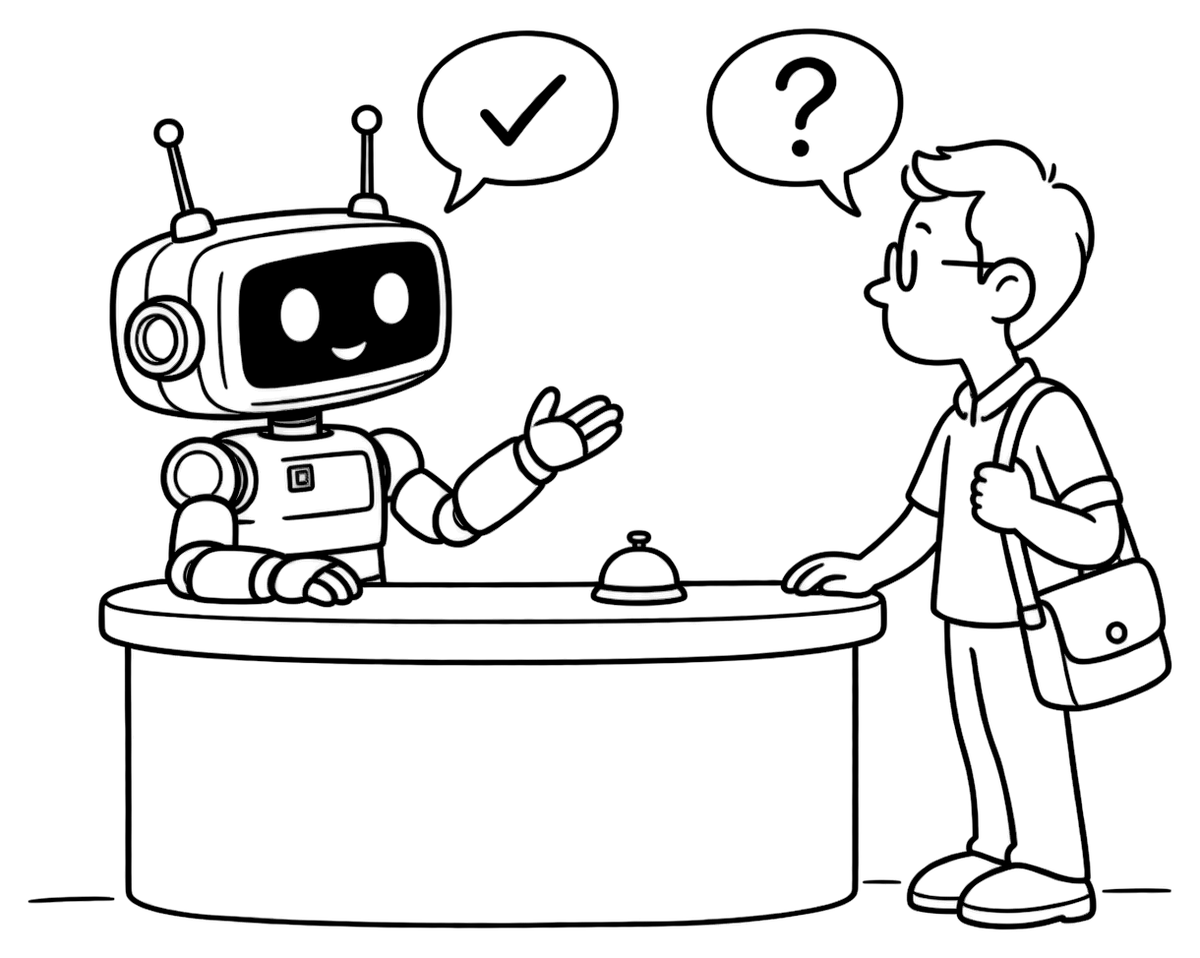
A visitor asks a question at a help desk and the twin robot answers it
How many references do I need?

Two or three is standard. Have them ready even if your CV doesn't list them, so you can reply quickly when an employer asks.

Can a friend be a reference?

Only if they can speak about your work — for example, as a colleague or client. Employers usually want professional references rather than personal ones.

See all FAQs

Your twin is one conversation away.

Start free with Quick CV

Stay in the loop

Occasional product news and practical career tips — only when we have something worth your time.